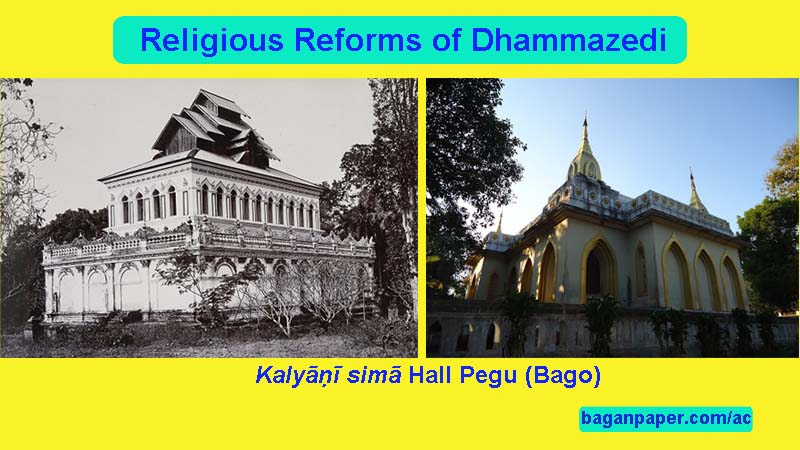
Religious Reforms of Dhammazedi
Extract from Kalyāṇī Inscription, translated by Taw Sein Ko, 1892
Press here to see Definition of the Pāli Terms of Upasampadā Ordination Ceremony
Upasampadā Ordination Ceremony
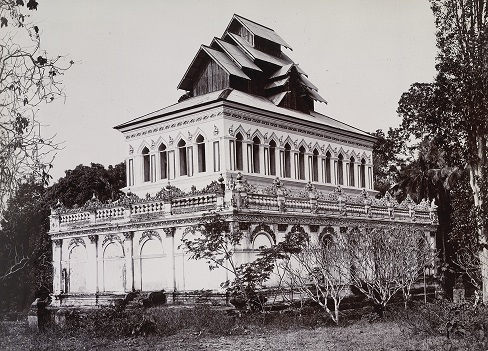
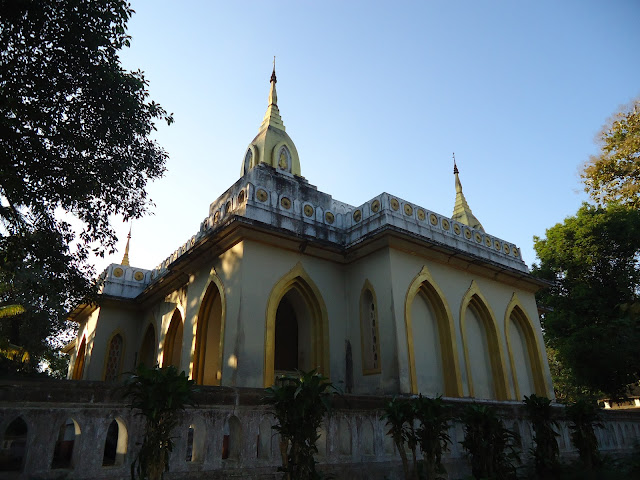
In commemoration of the consecration of this simā by the priests, who had received their upasampadā ordination in the udakukkhepasimā (ဥဒကုက္ခေပသိမ်) situated on the Kalyāṇī river, it received the name of ‘Kalyāṇī Simā’. Immediately after the consecration of the simā, the priests, who had faith, were learned and able, and who, being aware of the impurity of their previous upasampadā ordination, were desirous of receiving the form of ordination, that had been handed down through a succession of the ordained priests of Sīhaladīpa, approached the King and renewed their former request. Having approached the King, they said: “Mahārāja, now that a simā has been consecrated in a valid manner, and that a mahāthera, who is qualified for the office of upajjhāya, has been appointed, we are prepared to receive the Sinhalese form of the upasampadā ordination”.
On the morning of Monday, the 9th day of the moon-lit half of the month Migasīra, the King visited the Kalyāṇī-simā accompanied by the leading monks. The nine theras, together with the five young monks, and Suvannasobhanathera, who was qualified for the office of upajjhāya, were invited and seated in the Kalyāṇīsimā. Setting aside the leading monks, who were desirous of receiving the Sinhalese form of the upasampadā ordination, the King approached the theras, who had visited Sīhaladīpa, and having approached them, said to them thus: “Reverend Sirs, these leading monks are desirous of receiving, at your hands, the Sinhalese form of the upasampadā ordination. Vouchsafe, Reverend Sirs, to confer such ordination on them.”
To this the theras replied: “Mahārāja, we were sent by you to Sīhaladīpa, where we received the pure form of the upasampadā ordination at the hands of the fraternity, who are the spiritual successors of the Mahāvihāra sect. Mahārāja, previous to our receiving such ordination at their hands, the mahātheras of Sīhaladīpa addressed us thus: ‘Reverend brethren, this is the custom of the Sinhalese mahātheras of old. Previous to the conferment of the upasampadā ordination on monks, who have come from foreign countries, they are directed to make a confession that they have become laymen, to doff their monkish robe, to suffer themselves to be established in the condition of laymen by accepting the gift of a white garb, and again, to become sāmaneras by receiving the pabbajjā ordination, by accepting a gift of the monkish robe, and by professing openly their faith in the ‘Three Refuges.’ (It is only when all these stages have been passed through, that they are permitted) to receive the upasampadā ordination in their capacity as sāmaneras. It might be asked: What is the reason of such procedure? Reverend brethren, the monks, who came to this country with the conviction that their previous upasampadā ordination was impure, but that the Sinhalese form of it was pure, being imbued with faith, received fresh upasampadā ordination. Reverend brethren, these monks would subsequently attach themselves to others, who might have been their own disciples, and, being dissatisfied with their condition, would, disregarding the time that had elapsed since their new ordination, reckon their status from the date of their old one. This is not approved by us: hence the custom described above. Therefore, if you, who are replete with faith, desire to receive the pure form of the upasampadā ordination, do you act in accordance with the custom of the mahātheras of Sīhaladīpa. If you comply, we shall confer the upasampadā ordination on you; but if you do not, by reason of not being in accordance with custom, we shall be unable to confer such ordination on you.’ It was only when we had conformed ourselves to the custom of the mahātheras of Sihaladīpa, that they conferred the upasampadā ordination on us.”
Then the large number of leading monks said: “Reverend Sirs, since you yourselves received the pure form of the upasampadā ordination only after conforming to the custom of the mahātheras of Sīhaladīpa, even in this wise, do we, who are replete with faith, desire to receive it. Therefore, we are prepared to receive the pure form of the upasampadā ordination after conforming ourselves to the custom of the mahātheras of Sīhaladīpa. “The theras, who had returned from Sīhaladīpa, being thus in concord with all the leading monks, the latter, headed by Dhammakittithera, were eventually treated in accordance with the custom of the mahātheras of Sīhaladīpa, and the upasampadā ordination was conferred on them, with Suvannasobhanathera as uppajjhāya, and with the nine theras, who had returned from Sīhaladīpa, as ācariyas, the Kammavācā being read by two of these theras in turn.
On Monday, the 9th day of the moon-lit half of the month Migasīra, which was the 1st day of the conferment of the upasampadā ordination, Rāmādhipatirājā was present in person, and directed the preparation of a bounteous supply of food and various kinds of drinks suitable for consumption before or after noon, for the use of the theras, who conducted the ordination ceremony, of the leading monks, who had been ordained, and of other leading monks, who were candidates for the ordination. For the purpose of eliciting the acclamation of – Sādhu at the conclusion of each conferment of the upasampadā ordination, drums, conchshells, and other musical instruments were sounded. Scribes skilled in worldly lore, and innumerable nobles and learned men were appointed to note the number of monks that had received the upasampadā ordination. And, in order that the ceremony might be performed at night, many lamps were provided. It was near sunset when the King returned to his palace.
The number of leading monks, who received the upasampadā ordination during the five days, namely, from the 9th to the 13th, was 245. On Saturday, the 14th day, the King sent the following invitation to the 245 leading theras, who had received their upasampadā ordination: “Tomorrow, which is a Sunday, and the full-moon uposatha day of the month Migasira, may the Venerable Ones be pleased to perform uposatha in the Kalyāṇī-simā in the company of the fifteen theras, who conducted the upasampadā ordination ceremony? It is our desire to serve the Venerable Ones with food, and to present them with other ‘requisites’ at the conclusion of the uposatha, and to derive feelings of piety from such an act.” On the morning of the uposatha day, the King, surrounded by a large concourse of people, went to the Kalyāṇī-simā, and, having ordered the provision of seats and of water for washing the feet, awaited the arrival of the newly-ordained theras and the fifteen conductors of the upasampadā ordination ceremony. All the theras assembled together, and performed uposatha in the Kalyāṇī-simā. At the conclusion of the uposatha ceremony, the King served all of them with a bounteous supply of various kinds of hard and soft food, and with different kinds of betel-leaf, &c., and bhesajja. The following articles were then presented to each of the theras : two couples of cotton cloths of delicate texture for making ticīvara robes; a betel-box with cover, areca-nuts, nut-crackers, &c.; a palmyra fan; an umbrella made of the leaf of the wild date-palm (Phoenix Sylvestris); and an alms-bowl with cover and stand.
In compliance with the wish of all the monks, the King conferred the title of “Kalyāṇītissamahāthera” on Suvannasobhanathera.
Thenceforward, the King permanently stationed, in the neighbourhood of the Kalyāṇī-simā, nobles and learned men for the purpose of serving with food, and furnishing the ‘requisites’ to the ten theras, headed by Kalyāṇītissamahāthera, who, together with the five young monks, conducted the upasampadā ordination ceremony, as well as to the leading monks, who had received their upasampadā ordination in the Kalyāṇī-simā, and to the numerous monks who presented themselves for ordination. There were likewise stationed numerous scribes charged with the duty of recording the number of monks ordained; and musicians to sound the drum, conch-shell, and other instruments for the purpose of eliciting the acclamation of Sādhu at the conclusion of each reading of the Kammavācā relating to the upasampadā ordination.
The ten theras, who conducted the ordination ceremony, the 245 leading monks, who had received such ordination, and the numerous monks, who were their disciples, conferred, day after day, without interruption, the Sinhalese form of the upasampadā ordination on other leading monks, who came and expressed a desire to receive it.
Rāmādhipatirājā, of his own accord, and with the approbation of the whole Order, despatched the following message to all the monks residing in Rāmaññadesa:
“Venerable Ones, there may be men, who, though wishing to receive the pabbajjā ordination, are branded criminals, or notorious robber-chiefs, or escaped prisoners, or offenders against the Government, or old and decrepit, or stricken with severe illness, or deficient in the members of the body in that they have cut or rudimentary hands, &c., or are hump-backed, or dwarfish, or lame, or have crooked limbs, or are, in short, persons, whose presence vitiates the parisā. If people of such description are admitted into the Order, all those, who may see them, will imitate, or laugh at, their deformity, or revile them; and the sight of such men will not be capable of inspiring one with feelings of piety or reverence. Vouchsafe, Venerable Ones, not to admit, with effect from today, such men into the Order.
“There may be men, living under your instruction, who desire to receive the upasampadā ordination. Vouchsafe, Venerable Ones, not to confer on them such ordination, at your own locality, without the previous sanction of Rāmādhipatirājā or the leading theras of Hamsavatīpura. Should, Venerable Ones, you disregard this our command, and conduct the upasampadā ordination ceremony at your own locality, we shall inflict punishment on the parents of the candidates for such ordination, their relatives, or their lay supporters.
“There are sinful monks, who practise medicine; and others, who devote their time to the art of numbers, carpentry, or the manufacture of ivory articles, or who declare the happy or unhappy lot of Governors, nobles, and the common people, by examining their horoscopes, or by reading the omens and dreams, that may have appeared to them.
“There are some monks, who not only make such declarations, but also procure their livelihood, like laymen addicted to the acquisition of material wealth, by means of painting, carpentry, the manufacture of ivory articles, turnery, the making of idols, and such other vocations. In short, they follow such unbecoming professions, and obtain their means of livelihood.
“There are monks, who visit cotton-fields and preach the Dhamma with long intonation, and trade in cotton, which they may receive as offerings.
“There are monks, who visit fields of hill-rice, rice, barley, and preach the Dhamma, and trade in grain, which they may receive as offerings.
“There are monks, who visit fields of capsicum and preach the Dhamma, and trade in capsicum, which they may receive as offerings.
“There are monks, who trade in many other ways.
“There are monks, who, contrary to the rules of the Order, associate with such laymen as gamesters, roués, drunkards, men who obtain their means of living by robbery, or who are in the service of the King, or with other men and women.
“All these are sinful monks. Do not, Venerable Ones, permit these sinful monks to take up their permanent residence under your protection.
But there are also other monks, who are replete with faith, who observe the rules prescribed for the Order, whose conduct is good, and who are devoted to the study of the Tipitaka together with its commentaries, &c. Do, Venerable Ones, permit such monks to take up their permanent residence under your protection.
If, Venerable Ones, laymen, who are replete with faith and are of good family, desire to receive the pabbajjā ordination at your hands, they should be taught calligraphy, and after they have acquired a knowledge of the proper intonation of the letters, they should be instructed in the confession of faith in the Three Refuges,’ and taught the precepts; and eventually, Venerable Ones, do you confer the pabbajjā ordination on them.
“If there are sāmaneras, who have completed their twentieth year, and are desirous of receiving the upasampadā ordination, they should be taught a brief summary of the catupārisuddhisīla that are observed by monks, who have received the upasampadā ordination, namely, pātimokkhasamvarasīla, indriyasamvarasīla, ājīvapārisuddhisīla, and paccayasannissitasīla. They should further be instructed both in the letter and spirit of the Bhikkhupātimokkha and the Khuddasikkhā, from beginning to end, and be directed to learn by heart the ritual of confession and the catupaccayapaccavekkhana. Do you ultimately report your action to Rāmādhipatirājā as well as to the leading monks resid ing in Hamsavatīpura. Then Rāmādhipatirājā will furnish these candidates with the monkish requisites, and have the upasampadā ordination conferred on them.
“Do, Venerable Ones, let all of them conform themselves to such conduct as is in accordance with the precepts prescribed by the Blessed One in the Vinaya.
“It was owing to the division of the monks of Rāmaññadesa into different sects in former times, that such impurity, heresy, and corruption arose in the Religion. But now, through all the Venerable Ones being imbued with faith, they have received the Sinhalese form of the upasampadā ordination, that has been handed down by the spiritual successors of the Mahāvihāra sect. Whatever may be the mode of tonsure and of dress followed by the mahātheras of Sīhaladīpa, let such practice be conformed to, and let there be a single sect.”
Having sent the above message to the monks throughout the whole of Rāmaññadesa, Rāmādhipatirājā communicated the following intimation to the monks, who were possessed of gold, silver, and such other treasure, corn, elephants, horses, oxen, buffaloes, male and female slaves:
“Sirs, if you are really imbued with faith, you will endeavour to give up your gold, silver, and such other treasure, corn, elephants, horses, oxen, buffaloes, male and female slaves. Having done so, do you conform yourselves to such conduct as is in ac cordance with the precepts prescribed by the Blessed One. If you do not endeavour to follow this course, do you leave the Order according to your inclination.”
Some of the monks, owing to their being imbued with faith, gave up all such possessions, and conformed themselves to such conduct as was in accordance with the precepts; while other theras did not endeavour to give up all their possessions, and they left the Order.
There were monks, who had flagrantly committed pārajika offences: these were requested to become laymen. There were others, whose commission of pārajika offences had not been proved, but whose reproachable and censurable conduct was difficult to be justified: these were asked to become laymen. There were sinful monks, who practiced medicine, or the art of numbers, &c., as mentioned above; or who lived misdirected lives by following such vocations as painting, &c., as if they were laymen addicted to the acquisition of material wealth; or who traded in the gifts obtained by preaching the Dhamma; or who traded in many other ways: all these were commanded to become laymen.
It was in this manner that Rāmādhipatirājā purged the Religion of its impurities throughout the whole of Rāmaññadesa, and created a single sect of the whole body of the Monkhood.
From the year 838, Sakkarāj (1476 AD), to the year 841, Sakkarāj (1479 AD), the monks throughout Rāmaññadesa, who resided in towns and villages, as well as those who lived in the forest, continuously received the extremely pure form of the Sinhalese upasampadā ordination that had been handed down by the spiritual successors of the Mahāvihāra sect.
The leading monks were 800 in number; and the young monks numbered 14,265; and the total of the numbers of both classes of monks was 15,065. At the conclusion of the upasampadā ordi nation ceremony of these 800 leading monks, the King presented each of them with the following articles: two couples of cotton cloths of delicate texture for making ticīvara robes; a betel-box, with a cover, containing betel leaves, areca-nuts, and a nut-cracker, together with a towel, &c.; an umbrella made of the leaves of the wild date-palm. (Phoenix Sylvestris); an alms-bowl, with a stand and cover; and a palmyra fan. Moreover, suitable ecclesiastical titles were conferred on all the leading monks.
Subsequently, in accordance with his previous promise, the King furnished 601 sāmaneras, who had mastered the catupārisuddhisila, studied the Pātimokkha and the Khuddasikkhā, learnt by heart the ritual of confession and the paccavekkhana, and completed their twentieth year, with alms-bowls, robes, and all other monkish requisites, and commanded them to receive the upasampadā ordination in the Kalyāṇī-simā. Adding these newly-ordained monks, there were, at the time, in Rāmaññadesa, 15,666 monks.
Rāmādhipatirājā, after he had purified the Religion of Buddha, expressed the hope that: “Now that this Religion of Buddha has been purged of the impure form of the upasampadā ordination, of sinful monks, and of monks, who are not free from censure and reproach, and that it has become cleansed, resplendent, and pure, may it last till the end of the period of 5,000 years!”
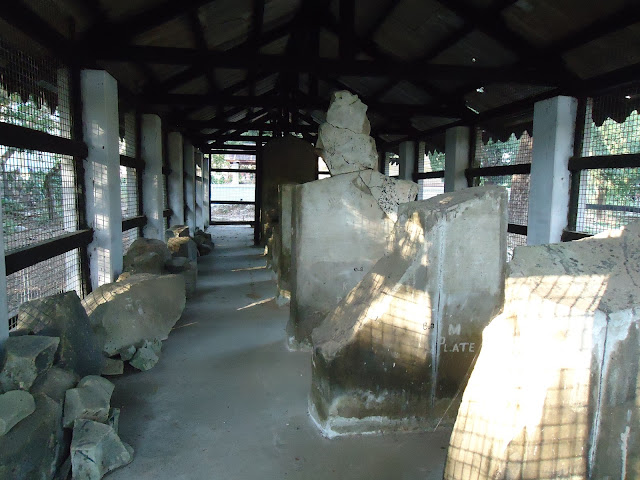
| The Kalyāṇī Ordination Hall in 1907 Pegu (Bago) Archaeological Survey of India Collections: Burma Circle, 1907-13 | The Kalyāṇī Ordination Hall (Recent) |
|---|---|
 |  |
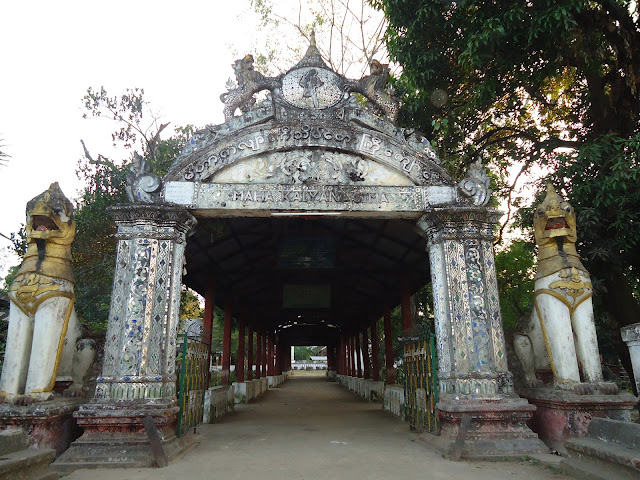
| Entrance Gate of Kalyāṇī Ordination Hall | Kalyāṇī Stone Inscriptions |
|---|---|
 |  |
Definition of the Pāli terms of Upasampadā Ordination Ceremony
| Upasampadā ordination : According to Buddhist monastic codes (Vinaya), a person must be 20 years old in order to become a monk. A person under the age of 20 years cannot undertake upasampadā (i.e., become a monk (bhikkhu), but can become a novice (sāmanera). After a year or at the age of 20, a novice will be considered for upasampadā. Traditionally, the upasampadā ritual is performed within a well-demarcated and consecrated area called sima and needs to be attended by a specified number of monks: “ten or even five in a remoter area”. Conditions for up a upasampadā are:- 1. Candidate must be a human. 2. He must be a male. 3. He must be free from debt. 4. He must be free from service. 5. He must be free from contagious diseases. 6. He must have consent from his parents, wife or family etc. 1. Kalyānī-simā : Kalyānī Ordination Hall 2. udakukkhepasimā (ဥဒကုက္ခေပသိမ်) : Water simā 3. Sīhaladīpa : Lanka Dipa, Theingo, Thiho since earliest time, Sri Lanka 4. upajjhāya (ဥပဇ္ဈာယ) (n) : One’s constant guide and teacher; preceptor 5. sāmanera (n) : novice, neophyte monk 6. pabbajjā (n) : act of leaving the mundane world for the ascetic life either as a novice or a monk; novicehood or monkhood 7. ācariya (n) : one who looks after his pupil’s welfare; teacher; mentor 8. Kammavācā (n) : sacred Pali texts which are ritually recited to formalize certain monastic undertaking or to stave off some imminent danger. Reading Kammavācā : To stave off some imminent danger including bad spirits or ghosts each and every syllable in the text must be loud read articulately with perfect accent and pronunciation. 9. uposatha (ဥပေါသထ/ ဥပုသ်) : observation of the eight, nine, or ten precepts. 10. bhesajja (Bhaisajya-guru) : Medicine Buddha, Pharmacist Tathāgata, The Buddha as the Great Doctor 11. ticīvara robes : monk’s ensemble of three robes namely, nether garment, upper garment, and the double-layered great robe. 12. catupārisuddhisīla : Moral purity of monks founded on four aspects of: – (1) pātimokkhasamvarasīla : hewing to the body of monastic disciplinary rules known as pātimokkha; (2) indriyasamvarasīla : control of the five senses and mind to maintain moral rectitude. (3) ājīvapārisuddhisīla : sanctity of word and deed in the manner of livelihood; (4) paccayasannissitasīla : correctness of attitude in the use of the four material requisites of a monk, ie. food offertory, robes, monasteries and medicines are to be considered as just support for the body and mind to enable the learning and practice of the doctrines. 13. Khuddasikkhā : ခုဒ္ဒသိက္ခာကျမ်း 14. paccaya (n) : cause; agency; means; support (အကြောင်းတရား၊ အထောက်အပံ့၊ ပစ္စည်း) 15. paccavekkhaṇā – attitude adopted by monk and novices when making use of four requisites 16. pārājika (n) : gravest kind of offense meriting expulsion from monkhood. pārājika āpatti 17. lajjī (လဇ္ဇီ) (n) : 1. person with a sense of propriety. 2. (v) monk who observes the ecclesiastical code of conduct strictly. 18. alajjī (အလဇ္ဇီ) (n) : a monk who knowingly commits a breach of the monastic code of conduct. 19. dhutaṅga (n) : austere practices pursued by a monk to shed defiling passions (there are thirteen such practices):- (Ref: A Pali-Myanmar-English Dictionary of the Noble Words of the Lord Buddha) |
| Requesting commitment by King Dhammazedi (ကတိကဝတ်တောင်းပန်ခြင်း) Person ineligible to receive the pabbajjā ordination: |
|---|
| 1. branded criminals (သံပူကပ်သူ) Sealed with a hot iron on forearm or forehead of criminal. It is one of the punishments of a criminal in ancient time. 2. notorious robber-chiefs 3. escaped prisoners 4. offenders against the Government (offenders against the King) (မင်းအားပြစ်မှားသူ) 5. old and decrepit (အို၍မသန်စွမ်းသူ) 6. stricken with severe illness (ပြင်းစွာအနာနှိပ်စက်သူ) 7. deficient in the members of the body in that they have cut or rudimentary hands (လက်ပြတ်ခြင်းစသောအင်္ဂါချို့ယွင်းသူ) 8. hump-backed (ကုန်းသော၊ ကွသောသူ) 9. dwarfish (ပုလွန်းသောသူ) (abnormal person whose high is very short) 10. lame (ခြေကျိုးသော၊ ခြေဆာသောသူ), (not able to walk normally; limping) 11. crooked limbs (ခြေလက်အင်္ဂါခွင်သော၊ ကောက်သောသူ) 12. short persons, whose presence vitiates the parisā (parisā (n) crowd; congregation; assembly). (ပရိတ်သတ်ကို ဖျက်တတ်သူ) If people of such description are admitted into the Order, all those, who may see them, will imitate, or laugh at, their deformity, or revile them; and the sight of such men will not be capable of inspiring one with feelings of piety or reverence. (ပရိတ်သတ်ကို ဖျက်တတ်သူ၊ လူမြင်၍ပြက်ရယ်ပြုခြင်း၊ ကဲ့ရဲ့ခြင်းပြုစရာဖြစ်သော စိတ်ကြည်ညိုဘွယ်မရှိသောသူ) Vouchsafe, Venerable Ones, not to admit, with effect from today, such men into the Order. (အထက်ပါလူတို့ကို လက်ခံ၍ ရှင်သာမဏေ မပြုကုန်နှင့်) There may be men, living under your instruction, who desire to receive the upasampadā ordination. Vouchsafe, Venerable Ones, not to confer on them such ordination, at your own locality, without the previous sanction of Rāmādhipatirājā or the leading theras of Hamsavatīpura. Should, Venerable Ones, you disregard this our command, and conduct the upasampadā ordination ceremony at your own locality, we shall inflict punishment on the parents of the candidates for such ordination, their relatives, or their lay supporters. အထက်ပါလူတို့သည် အရှင်ဘုရားတို့ထံ ပဉ္ဇင်းခံလိုပါသည်ဟူ၍ လာရောက်ခဲ့လျှင် အကျွန်ုပ်အားသော်လည်း အကြောင်း ကြားစေ၊ ဟံသာဝတီပြည်၌သီတင်းသုံးနေသော ဂိုဏ်းဆရာတို့အားလည်းအကြောင်းကြားစေ၊ အကြောင်းမကြားဘဲ မိမိတို့ နေရာအရပ်၌သာ အရှင်ဘုရားတို့က ပဉ္ဇင်းခံခြင်းကို ပြုလုပ်ပါက ပဉ္ဇင်းလောင်း၏ အမိ၊ အဖ၊ ဆွေမျိုးနှင့် အရှင်ဘုရားတို့၏ အလုပ်အကျွေး တကာဥပါ တို့အားမင်းဒဏ်စီရင်မည်။ |
| Sinful Monks |
|---|
| There are sinful monks, who practise medicine; and others, who devote their time to the art of numbers, carpentry, or the manufacture of ivory articles, or who declare the happy or unhappy lot of Governors, nobles, and the common people, by examining their horoscopes, or by reading the omens and dreams, that may have appeared to them. အကြင်ရဟန်းယုတ်တို့သည် ဆေးကုခြင်း၊ ဟူးရားဂဏန်းတွက်ခြင်းကို ပြုကုန်သည်၊ လက်သမားအမှု၊ ဆင် စွယ်ပွတ်ခြင်းတို့ကိုပြု၍ အသက်မွေးကုန်သည်၊ မင်း၏ အမတ်ကြီးအစရှိသော အလုံးစုံသော သူတို့၏ သားငယ် တို့ကို ချီထိန်းယကုန်သည်၊ ဥပဒ်ကြားခြင်း၊ နိမိတ်ဖတ်ခြင်း၊ အိပ်မက်ဖတ်ခြင်းတို့ဖြင့် အသက်မွေးကုန်သည်။ There are some monks, who not only make such declarations, but also procure their livelihood, like laymen addicted to the acquisition of material wealth, by means of painting, carpentry, the manufacture of ivory articles, turnery, the making of idols, and such other vocations. In short, they follow such unbecoming professions, and obtain their means of livelihood. အချို့သောရဟန်းတို့သည်လည်း ပန်းချီအမှု၊ လက်သမားအမှု၊ ဆင်စွယ်ပွတ်အမှု၊ ကသယ်မှု၊ ဆင်းတုထုခြင်း အစ ရှိသည်ကို ပြု၍ ကာမစည်းစိမ်ကိုခံစားသော လူတို့ကဲ့သို့ အသက်မွေးခြင်း ပြုကုန်သည်။ There are monks, who visit cotton-fields and preach the Dhamma with long intonation, and trade in cotton, which they may receive as offerings. အချို့သောရဟန်းတို့သည်လည်း ဝါခင်းယာခင်းသို့သွား၍ ရှည်စွာသောအသံဖြင့် တရားဟော၍ ဝါဂွမ်းရလျှင် ကုန်သွယ်ခြင်းကို ပြုကုန်သည်။ There are monks, who visit fields of hill-rice, rice, barley, and preach the Dhamma, and trade in grain, which they may receive as offerings. အချို့သော ရဟန်းတို့သည်လည်း သလေး၊ မယော အစရှိသော လယ်ခင်းသို့သွား၍ တရားဟောပြီးလျှင် စပါးခံ၍ ကုန်သွယ်ခြင်းကိုပြုကုန်သည်။ There are monks, who visit fields of capsicum and preach the Dhamma, and trade in capsicum, which they may receive as offerings. အချို့သောရဟန်းတို့လည်း ငရုတ်ခင်းသို့သွား၍ တရားဟောပြီးလျှင် ငရုတ်သီးခံ၍ ကုန်သွယ်ခြင်းကို ပြုကုန်သည်။ There are monks, who trade in many other ways. အချို့သော ရဟန်းတို့လည်း အထူးအခြား အပြားပြားတို့ဖြင့် ကုန်သွယ်ခြင်းကို ပြုကုန်သည်၊ There are monks, who, contrary to the rules of the Order, associate with such laymen as gamesters, roués, drunkards, men who obtain their means of living by robbery, or who are in the service of the King, or with other men and women. အချို့သောရဟန်းတို့လည်း ကြွေအံကြူးသောသူ၊ သေရှက်ကြူးသောသူ၊ ခိုးမှုပြု၍အသက်မွေးသောသူ၊ မင်းချင်း ယောက်ျား၊ အမှတ်မရှိသော မိန်းမ ယောက်ျားတို့နှင့် မလျောက်ပတ်သော ရောရှက်ခြင်းတို့ဖြင့် ရောရှက်၍ နေကုန် သည်။ All these are sinful monks. Do not, Venerable Ones, permit these sinful monks to take up their permanent residence under your protection. ထိုသို့သောရဟန်းယုတ်တို့သည် အရှင်ဘုရားတို့အထံ၌ နေလိုကုန်သည်ဟူ၍လာကုန်လျှင်ခွင့်ပေးတော်မမူကြရန်။ |
| Person eligible to receive the pabbajjā ordination Created a single sect of the whole body of the Monkhood |
|---|
| But there are also other monks, who are replete with faith, who observe the rules prescribed for the Order, whose conduct is good, and who are devoted to the study of the Tipitaka together with its commentaries, &c. Do, Venerable Ones, permit such monks to take up their permanent residence under your protection. အကြင်ရဟန်းတို့ သည်ကား သဒ္ဓါတရားနှင့် ပြည့်စုံကုန်၏၊ သိက္ခာပုဒ်တော် အတိုင်း ကောင်းစွာ ကျင့်ကုန်၏၊ ပါဠိသင် အဋ္ဌကထာ သင်ခြင်းတို့၌ လုံလပြုကုန်၏။ ထိုသို့သော ရဟန်းတို့ နေလိုလျှင် ခွင့်ပေးတော်မူကြပါကုန်။ If, Venerable Ones, laymen, who are replete with faith and are of good family, desire to receive the pabbajjā ordination at your hands, they should be taught calligraphy, and after they have acquired a knowledge of the proper intonation of the letters, they should be instructed in the confession of faith in the Three Refuges, and taught the precepts; and eventually, Venerable Ones, do you confer the pabbajjā ordination on them. အကြင်အမျိုးသားတို့သည်ရှင်သာမဏေပြုလိုပါသည်ဟူ၍ လာရောက်လျှင် အက္ခရာအရေးအသားတို့ကို သင်စေ၍ အရွတ်အဖတ်ပြီသအောင်လေ့ကျက်စေပြီးလျှင် သရဏဂုံသိက္ခာပုဒ်တို့ကိုသင်စေပြီးမှ ရှင်သာမဏေပြုတော် မူပါကုန်။ If there are sāmaneras, who have completed their twentieth year, and are desirous of receiving the upasampadā ordination, they should be taught a brief summary of the catupārisuddhisīla that are observed by monks, who have received the upasampadā ordination, namely, pātimokkhasamvarasīla, indriyasamvarasīla, ājīvapārisuddhisīla, and paccayasannissitasīla. They should further be instructed both in the letter and spirit of the Bhikkhupātimokkha and the Khuddasikkhā, from beginning to end, and be directed to learn by heart the ritual of confession and the catupaccayapaccavekkhana. Do you ultimately report your action to Rāmādhipatirājā as well as to the leading monks residing in Hamsavatīpura. အသက်နှစ်ဆယ်ပြည့်ပြီးသော သာမဏေတို့သည် ပဉ္ဇင်းခံပါလို၏ဆိုလျှင် ရဟန်းတို့ ဖြည့်ရာသော သီလလေးပါးကို အကျဉ်းကြား၍ ဘိက္ခုပါတိမောက်နှင့်ခုဒ္ဒသိက္ခာကျမ်းကို အစမှအဆုံးထိတိုင်အောင်သင်စေ၍ အာပတ်ဒေသနာ ကြား ပစ္စဝေက္ခဏာလေးပါးတို့ကို နှုတ်တက်အောင်လေ့ကျက်စေပြီးမှ ကျွန်ုပ်အားသော်၎င်း ဟံသာဝတီမြို့၌ ဂိုဏ်းဆရာတို့အား သော်၎င်း အကြောင်း ကြားကြပါ။ Then Rāmādhipatirājā will furnish these candidates with the monkish requisites, and have the upasampadā ordination conferred on them. Do, Venerable Ones, let all of them conform themselves to such conduct as is in accordance with the precepts prescribed by the Blessed One in the Vinaya. ထိုအခါ ကျွန်ုပ်ရာမာဓိပတိရာဇာသည် ပရိက္ခရာ ၈-ပါးတို့ဖြင့် ထောက်ပံ့၍ပဉ္ဇင်းခံစေပါမည်၊ အရှင်ဘုရားတို့မှာ လည်း ဝိနည်းပညတ်တော် သိက္ခာပုဒ်အတိုင်း ကြိုးစားအား ထုတ်၍ ကျင့်ဆောင်တော်မူပါကုန်၊ It was owing to the division of the monks of Rāmaññadesa into different sects in former times, that such impurity, heresy, and corruption arose in the Religion. But now, through all the Venerable Ones being imbued with faith, they have received the Sinhalese form of the upasampadā ordination, that has been handed down by the spiritual successors of the Mahāvihāra sect. Whatever may be the mode of tonsure and of dress followed by the mahātheras of Sīhaladīpa, let such practice be conformed to, and let there be a single sect. ရှေးအခါ၌မူကား ရာမညတိုင်း၌ ရဟန်းတို့သည် အသီးအခြားကွဲပြားကြလေသောကြောင့် ဤသို့သော သာသနာတော် အညစ်အကြေးဘေးရန်နှင့် ဆူးငြောင့်ဖြစ်လေသည်၊ ယခုမူကား အရှင်ဘုရားတို့အားလုံးသည် သဒ္ဓါတရားနှင့် ပြည့်စုံကြသူချည်းဖြစ်၍ မဟာဝိဟာရအနွယ်အဆက်ဖြစ်သော သီဟိုဠ်ပဉ္စင်းအဖြစ်ကို ယူအပ်ပြီးဖြစ် သောကြောင့် သီဟိုဠ် မဟာ ထေရ်တို့ကဲ့သို့ ဆံရိတ်ခြင်း သင်္ကန်းဝတ်ခြင်းကို ပြု၍ တပေါင်းတည်း ဖြစ်ပါစေ။ Having sent the above message to the monks throughout the whole of Rāmaññadesa, Rāmādhipatirājā communicated the following intimation to the monks, who were possessed of gold, silver, and such other treasure, corn, elephants, horses, oxen, buffaloes, male and female slaves: Sirs, if you are really imbued with faith, you will endeavour to give up your gold, silver, and such other treasure, corn, elephants, horses, oxen, buffaloes, male and female slaves. Having done so, do you conform yourselves to such conduct as is in accordance with the precepts prescribed by the Blessed One. If you do not endeavour to follow this course, do you leave the Order according to your inclination. ဤသို့ ရာမာဓိပတိမင်းသည် အလုံးစုံသော ရာမညတိုင်း၌ ရဟန်းတို့အား ကတိကဝတ်ကိုတောင်းပန်၍ ရွှေ ငွေခံသော ရဟန်း၊ ဥစ္စာစပါးဆည်းပူးသော ဆင်၊ မြင်း၊ ကျွဲ၊ နွား၊ ကျွန်ယောက်ျား၊ ကျွန်မိန်းမရှိသော ရဟန်းတို့အား လည်း “အရှင် တို့သည် သဒ္ဓါတရားနှင့် ပြည့်စုံ၍ ရွှေငွေအစရှိသော ပစ္စည်းတို့ကိုစွန့်၍ သိက္ခာပုဒ်တော်အတိုင်း ကျင့်ဆောင်နိုင်လျှင်လည်း ကျင့်ဆောင်ကြပါကုန်၊ မကျင့်ဆောင်နိုင်လျှင်လည်း လူထွက်ကုန်”ဟူ၍ စေသည်။ Some of the monks, owing to their being imbued with faith, gave up all such possessions, and conformed themselves to such conduct as was in accordance with the precepts; while other theras did not endeavour to give up all their possessions, and they left the Order. ထိုအခါ သဒ္ဓါနှင့်ပြည့်စုံသော အချို့သော ရဟန်းတို့သည် ရွှေငွေအစရှိသော ပစ္စည်းတို့ကိုစွန့်၍ သိက္ခာပုဒ်တော်အတိုင်း ကောင်းအောင်ကျင့်ကုန်သည်၊ အချို့သောရဟန်း တို့လည်း မစွန့်နိုင်၍ လူထွက်ကုန်သည်။ There were monks, who had flagrantly committed pārajika offences: these were requested to become laymen. There were others, whose commission of pārajika offences had not been proved, but whose reproachable and censurable conduct was difficult to be justified: these were asked to become laymen. အထင်အရှား ပါရာဇိကသို့ရောက်ပြီးသောရဟန်းတို့ကိုမတောင်းပန်မူ၍ လူထွက်စေသည်၊ ပါရာဇိကသို့ ရောက်သော အပြစ်လည်း မထင်ရှားသူတပါးကဲ့ရဲ့စွပ်စွဲခြင်းများ၍ သုတ်သင်နိုင်ခဲသောရဟန်းတို့ကိုလည်း မတောင်းပန်မူ၍လူထွက်စေ သည်။ There were sinful monks, who practiced medicine, or the art of numbers, &c., as mentioned above; or who lived misdirected lives by following such vocations as painting, &c., as if they were laymen addicted to the acquisition of material wealth; or who traded in the gifts obtained by preaching the Dhamma; or who traded in many other ways: all these were commanded to become laymen. ဆေးကုသောရဟန်း၊ ဟူးရားဂဏန်းတွက်သော ရဟန်း၊ ကာမစည်းစိမ် ခံစားသော လူတို့ကဲ့သို့ပန်းချီအစရှိသော အမှုကိုအစပြု၍အသက်မွေးသောရဟန်း၊ ကုန်စလယ်သွယ်သော ရဟန်းတို့ကိုလည်း လူထွက်စေသည်။ It was in this manner that Rāmādhipatirājā purged the Religion of its impurities throughout the whole of Rāmaññadesa, and created a single sect of the whole body of the Monkhood. ဤသို့လျှင် ရာမာဓိပတိမင်းသည် အလုံးစုံသော ရာမညတိုင်း၌ သာသနာတော် အညစ်အကြေးကိုသုတ်သင်၍ အလုံးစုံ သော ရဟန်းသံဃာကို တပေါင်းတချက်တည်းပြုသည်။ From the year 838, Sakkarāj (1476 AD), to the year 841, Sakkarāj (1479 AD), the monks throughout Rāmaññadesa, who resided in towns and villages, as well as those who lived in the forest, continuously received the extremely pure form of the Sinhalese upasampadā ordination that had been handed down by the spiritual successors of the Mahāvihāra sect. အလုံးစုံသော ရာမညတိုင်း၌ သီဘင်းသုံး နေသော ဂါမဝါသီရဟန်း၊ အရညဝါသီရဟန်းတို့သည် သက္ကရာဇ် ၈၄၁-ခု တိုင်အောင် မဟာဝိဟာရဝါသီအနွယ် အဆက်ဖြစ်သောစင်စစ်သန့်ရှင်းစင်ကြယ်သော သီဟိုဠ်ကျွန်းပဉ္ဇင်းအဖြစ်ကို မပြတ် ယူကုန်သည်။ The leading monks were 800 in number; and the young monks numbered 14,265; and the total of the numbers of both classes of monks was 15,065. ထိုအခါပဉ္ဇင်း ခံလာသောဂိုဏ်းဆရာရဟန်းအပေါင်း ဂဝဝ-အရေအတွက်ရှိ၏။ ပဉ္စင်းငယ်ရဟန်းပေါင်း တသောင်း လေးထောင် နှစ်ရာခြောက်ကျိပ်ငါးပါး (၁၄,၂၆၅) ပါး အရေအတွက်ရှိသည်၊ နှစ်ရပ်အပေါင်း တသောင်းငါးထောင် ခြောက်ကျိပ်ငါးပါး (၁၅,၀၆၅) အရေအတွက်ရှိသည်။ At the conclusion of the upasampadā ordi nation ceremony of these 800 leading monks, the King presented each of them with the following articles: two couples of cotton cloths of delicate texture for making ticīvara robes; a betel-box, with a cover, containing betel leaves, areca-nuts, and a nut-cracker, together with a towel, &c.; an umbrella made of the leaves of the wild date-palm. (Phoenix Sylvestris); an alms-bowl, with a stand and cover; and a palmyra fan. Moreover, suitable ecclesiastical titles were conferred on all the leading monks. Subsequently, in accordance with his previous promise, the King furnished 601 sāmaneras, who had mastered the catupārisuddhisila, studied the Pātimokkha and the Khuddasikkhā, learnt by heart the ritual of confession and the paccavekkhana, and completed their twentieth year, with alms-bowls, robes, and all other monkish “requisites,’ and commanded them to receive the upasampadā ordination in the Kalyāṇī-simā. Adding these newly-ordained monks, there were, at the time, in Rāmaññadesa, 15,666 monks. ထို့နောက် ဆိုခဲ့ပြီးသော ကတိကဝတ်နှင့် ပြည့်စုံသော အသက် ၂၀-ပြည့်သော သာမဏေခြောက်ရာတပါး (၆၀၁) တို့အား ပရိက္ခရာ ၈-ပါးတို့ဖြင့် ထောက်ပံ့၍ ကလျာဏီသိမ်၌ ပဉ္စင်းခံစေသည်၊ ထိုအလုံးစုံသော ရဟန်းတို့ကို ပေါင်းသည်ရှိသော် ထိုအခါ ရာမညတိုင်း၌ ရဟန်းပေါင်း တသောင်း ငါးထောင်ခြောက်ရာခြောက်ကျိပ်ခြောက်ပါး (၁၅,၆၆၆) အရေအတွက်ရှိ သည်။ Rāmādhipatirājā, after he had purified the Religion of Buddha, expressed the hope that: “Now that this Religion of Buddha has been purged of the impure form of the upasampadā ordination, of sinful monks, and of monks, who are not free from censure and reproach, and that it has become cleansed, resplendent, and pure, may it last till the end of the period of 5,000 years! ဤသို့လျှင် သာသနာတော်ကို သုတ်သင်ခြင်းကိုပြုသော ရာမာဓိပတိမင်းသည် အနှစ်ငါးထောင် ကာလပတ်လုံး ဘုရားသခင် သာသနာတော်သည် ပဉ္ဇင်းခံခြင်း၌ ယုံမှားမရှိခြင်း၊ ဒုဿီလရဟန်းများ၊ ကဲ့ရဲ့စွပ်စွဲခြင်းရှိသော ရဟန်းများတို့ ကင်းရှင်းခြင်းတို့ဖြင့် သန့်ရှင်းစင်ကြယ်စွာ မပြိုမပျက် တည်စေသတည်းဟု နှလုံးသွင်းပြုသတည်း။ |

Reference Books: Download Link – Click on the the book’s name.
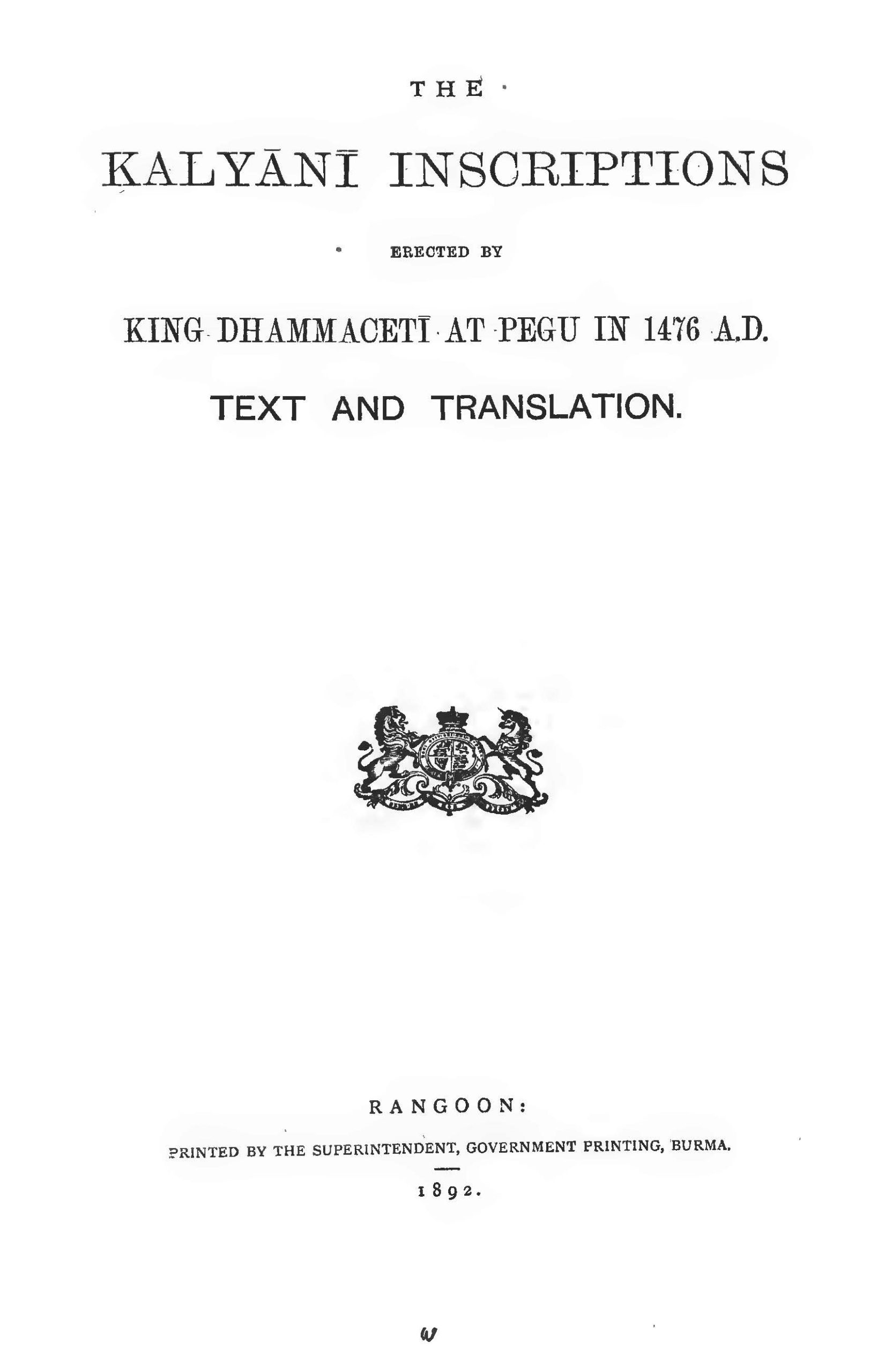
Reference Books: Download Link – Click on the the book’s name.
Reference Books: Download Link – Click on the the book’s name.
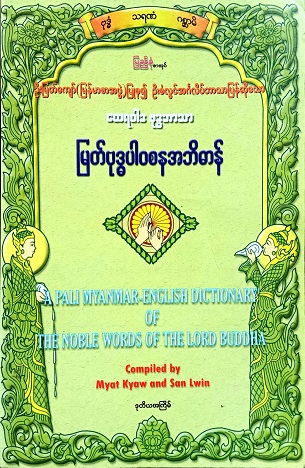
| A Pali-Myanmar-English Dictionary of the Noble Words of the Lord Buddha compiled by Myat Kyaw and San Lwin |
|---|
 |
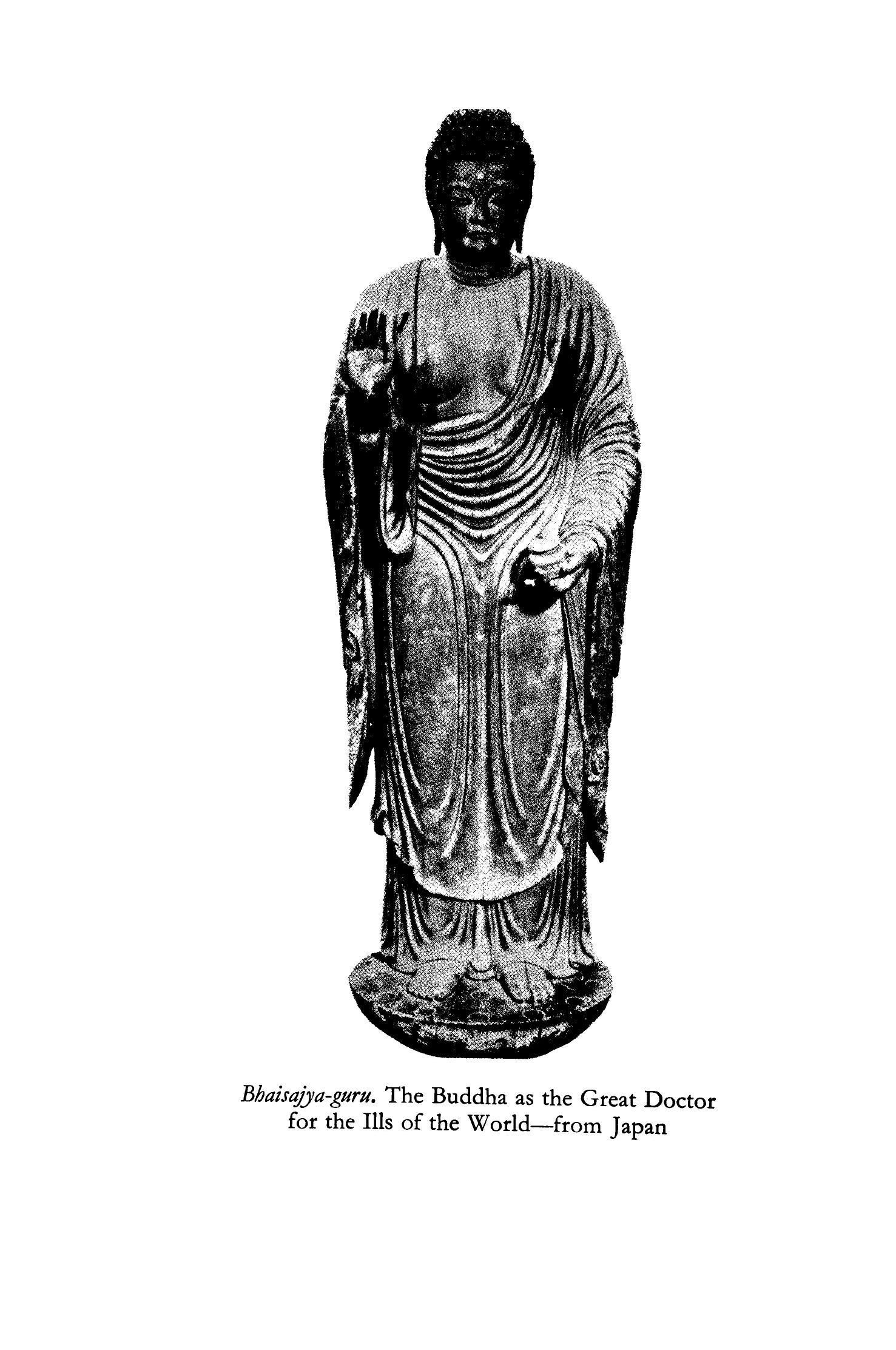
| bhesajja (Bhaisajya-guru) : Medicine Buddha, Pharmacist Tathāgata, The Buddha as the Great Doctor |
|---|
 |
| Rahula, Walpola, What the Buddha Taught, London, The Gordon Fraser Gallery Ltd., 1959 |
URLs of Pali-English Dictionary

1.	University of Chicago https://www.uchicago.edu/

2.	Digital South Asia Library https://dsal.uchicago.edu/

3.	The Pali Text Society’s Pali-English Dictionary  https://dsal.uchicago.edu/dictionaries/pali/


4. Digital Dictionary of South Asia, Pali-English Dictionary by U Pe Maung Tin

https://static.sirimangalo.org/pdf/maungtindictionary.pdf

5.	Pali Dictionary https://dictionary.sutta.org/

6.	Tipiṭaka—the Three Baskets of the Buddhist canon https://suttacentral.net/

7.	https://suttacentral.net/pitaka/vinaya

8.	The Monastic Law for the Theravāda school in Pali https://suttacentral.net/pitaka/vinaya/pli-tv-vi

9.	Dr Hla Pe’s Lectures (School of Oriental African Study, University of London)  https://soas.ac.uk
 Users Today : 0
 Total Users : 102974